AURELIA / ABOUT / DEMO
A meal begins long before the table.
This is a demo authorship page for a private dining template. Replace the story, name, images, and claims with the person behind your own table.
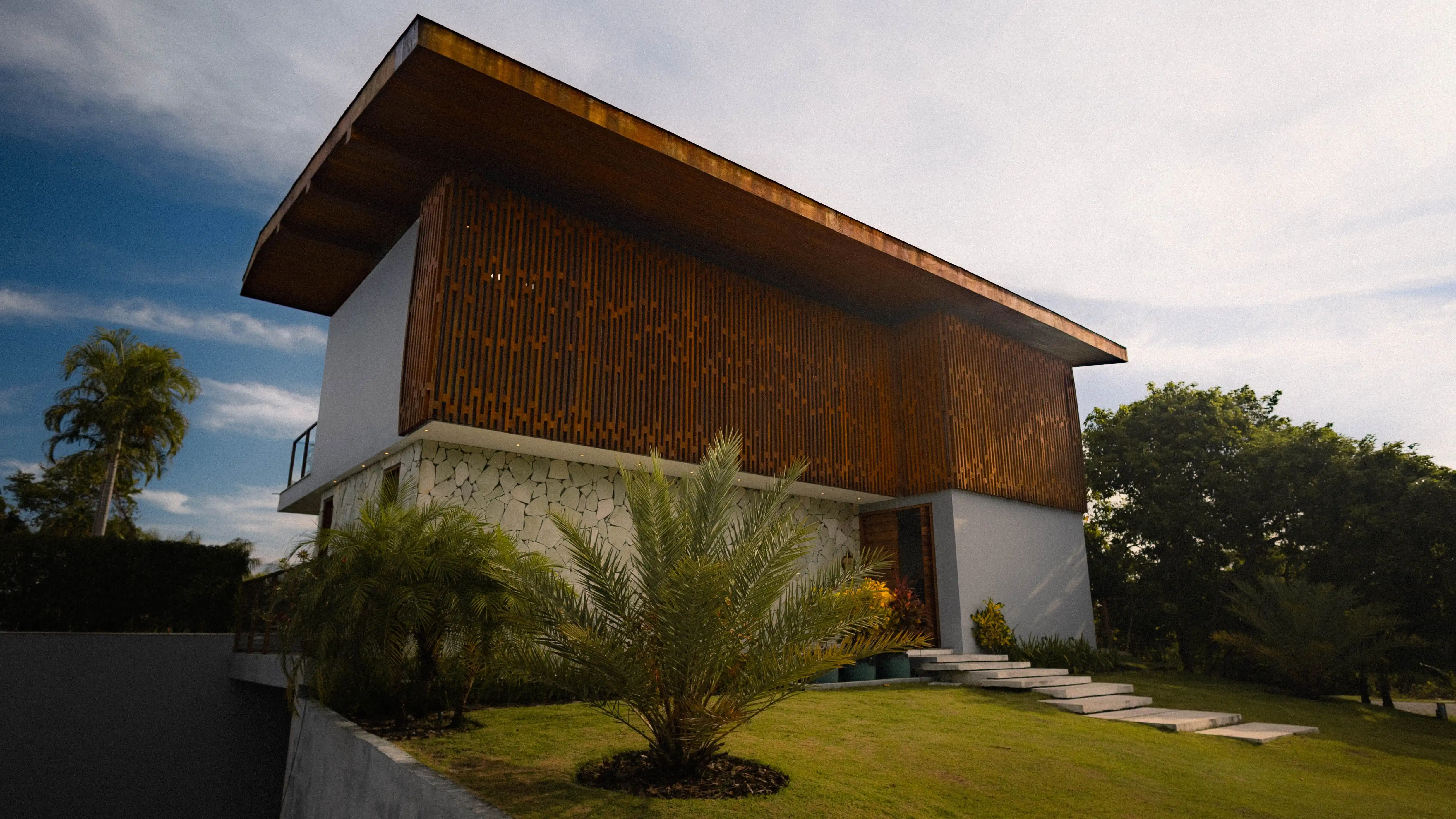
The work is a series of returns.
The work begins before there is anything to show. An ingredient is noticed, handled, set aside, and returned to. A flavour may seem clear at noon and need another hour by the time the room begins to change. The point is not to make every decision visible, but to give each one enough time to become precise.
That rhythm asks for repetition rather than certainty. A plate is assembled, tasted, adjusted, then seen again in the context of the next course and the pace of the table. Small changes in temperature, texture, or weight can alter the whole impression. This Demo space is for the real sequence of returns that defines a kitchen, once those details are approved.
Cooking begins with an action small enough to be overlooked: a hand checking the weight of an ingredient, a knife moving once rather than twice, a plate held still long enough to see what is missing. The work becomes visible only at the table, but its character is shaped through those earlier decisions.
This Demo story makes room for attention rather than claims. In a real kitchen, the details worth describing may be a familiar preparation, a particular way of tasting, or the point at which a dish is allowed to stop. They should be written here only when they are true to the people doing the work.

A plate is not finished because every space has been filled. It is finished when its parts can be understood together: the temperature held in one element, the contrast offered by another, and the pause created by leaving something out. Plating is therefore not a final decoration. It is the moment when preparation becomes a clear invitation to taste.
The hand that carries a dish has the same responsibility as the hand that made it. A plate can arrive too quickly, cool too long, or ask for more attention than the table has to give. This is not a claim about a particular service; it is a way to describe the real sequence of decisions that connects kitchen work to a guest’s experience.
What matters is not a perfect-looking plate in isolation. It is whether the cooking helps a table slow down, look again, and continue the conversation it has already started. That is the cultural work behind a dish: care made practical, then offered without explanation.
Replace this Demo sequence with the actual gestures, ingredients, and service decisions of the kitchen. The images should remain evidence of that practice, not interchangeable decoration, and the story should grow from what the team can truly stand behind.
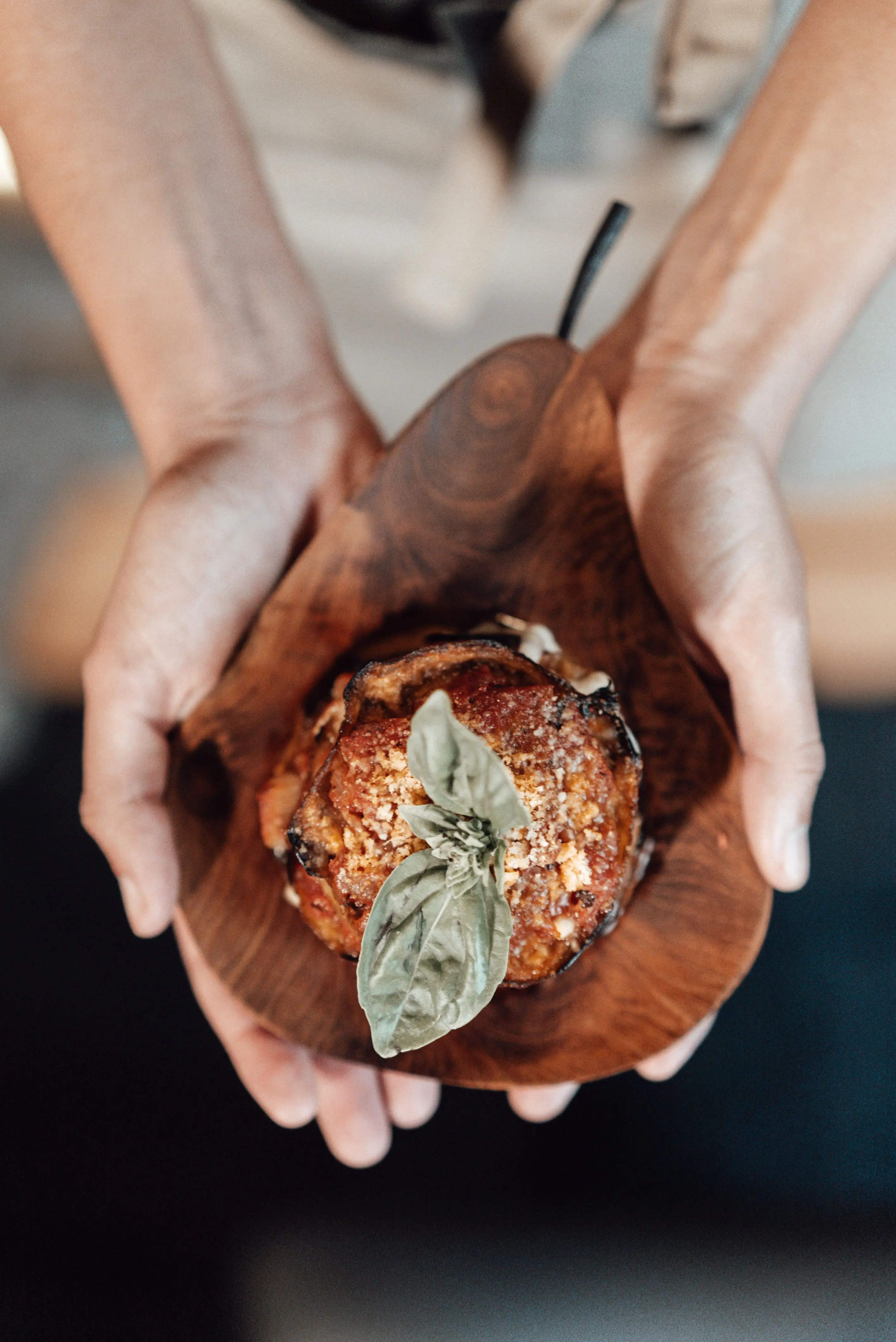
The room only works together.
A relationship begins before anyone takes a seat. The room is cleared, the table is reset, and the things a guest will touch are placed with intention. None of that needs to announce itself. It simply makes it easier for people to arrive, settle, and give their attention to one another.
In this Demo story, the room is not a backdrop to the food. It changes how a plate is received: where a conversation pauses, how long a course can remain on the table, and whether the evening feels directed or shared. The real version of this page should replace these words with the specific practices that make that care visible.
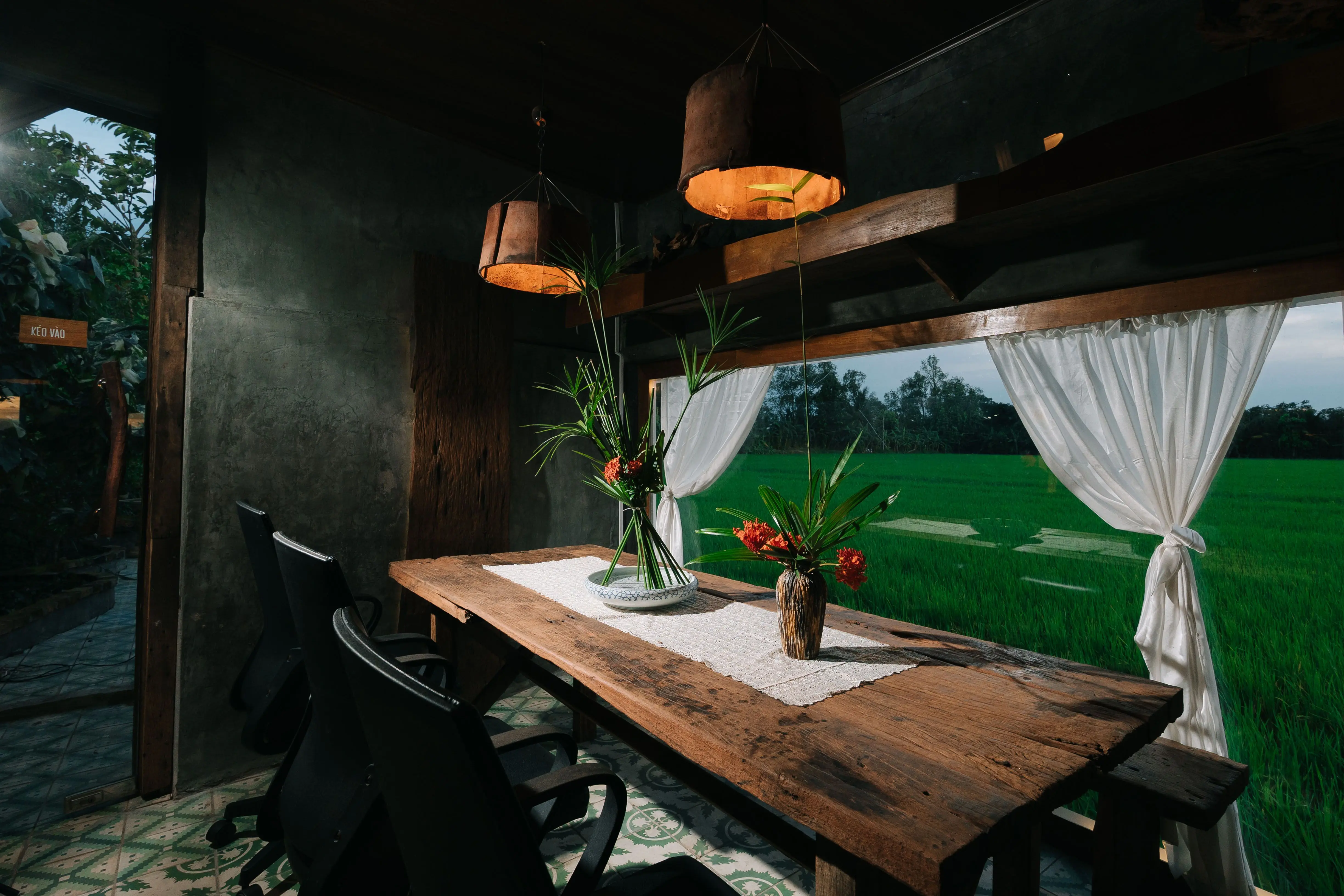
Once the table begins to fill, responsibility becomes shared. The kitchen sends a plate into a room already moving; the people serving notice the tempo; guests decide how long to stay with a taste, a question, or a silence. A meal does not have to be explained in order to be understood, but it does need enough space around it to be felt.
That is why service is less about interruption than timing. A new course can arrive when a conversation has opened, not only when a previous plate has been cleared. Water can be refilled without drawing attention away from the table. These are not claims about a particular team; they are the kinds of real decisions a buyer can document here once their own practice is known.
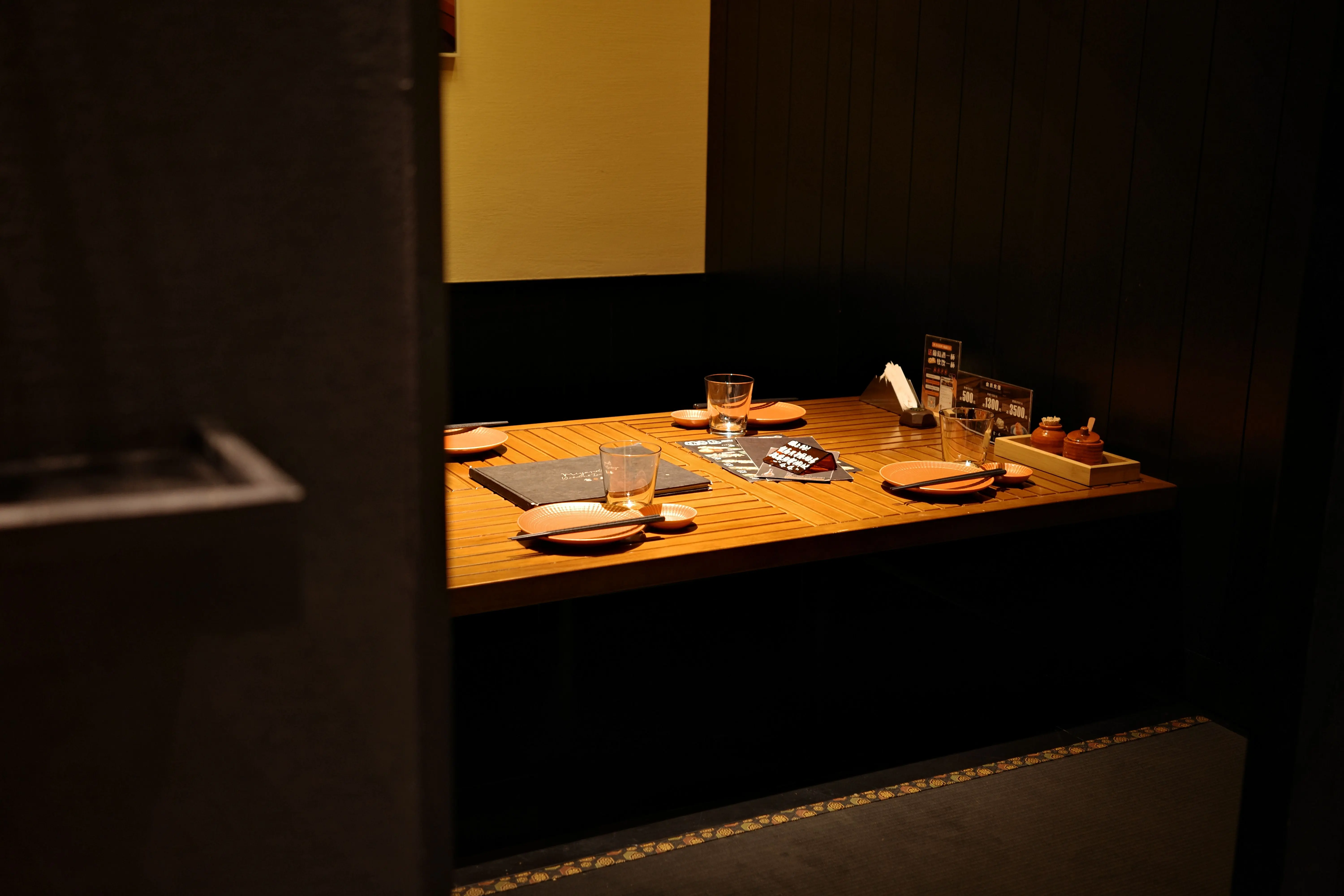
The goal is not to choreograph every moment. It is to make a setting that can hold what people bring to it: a first meeting, a familiar group, a quiet occasion, or simply a night that needs more time. The food, the room, and the people around it each carry part of that work.
AURELIA treats that connection as culture rather than a final sales message. Replace this Demo story with the particular gestures, responsibilities, and relationships behind your own table, so the page ends with a sense of how the place is made—not with an instruction to leave it.